
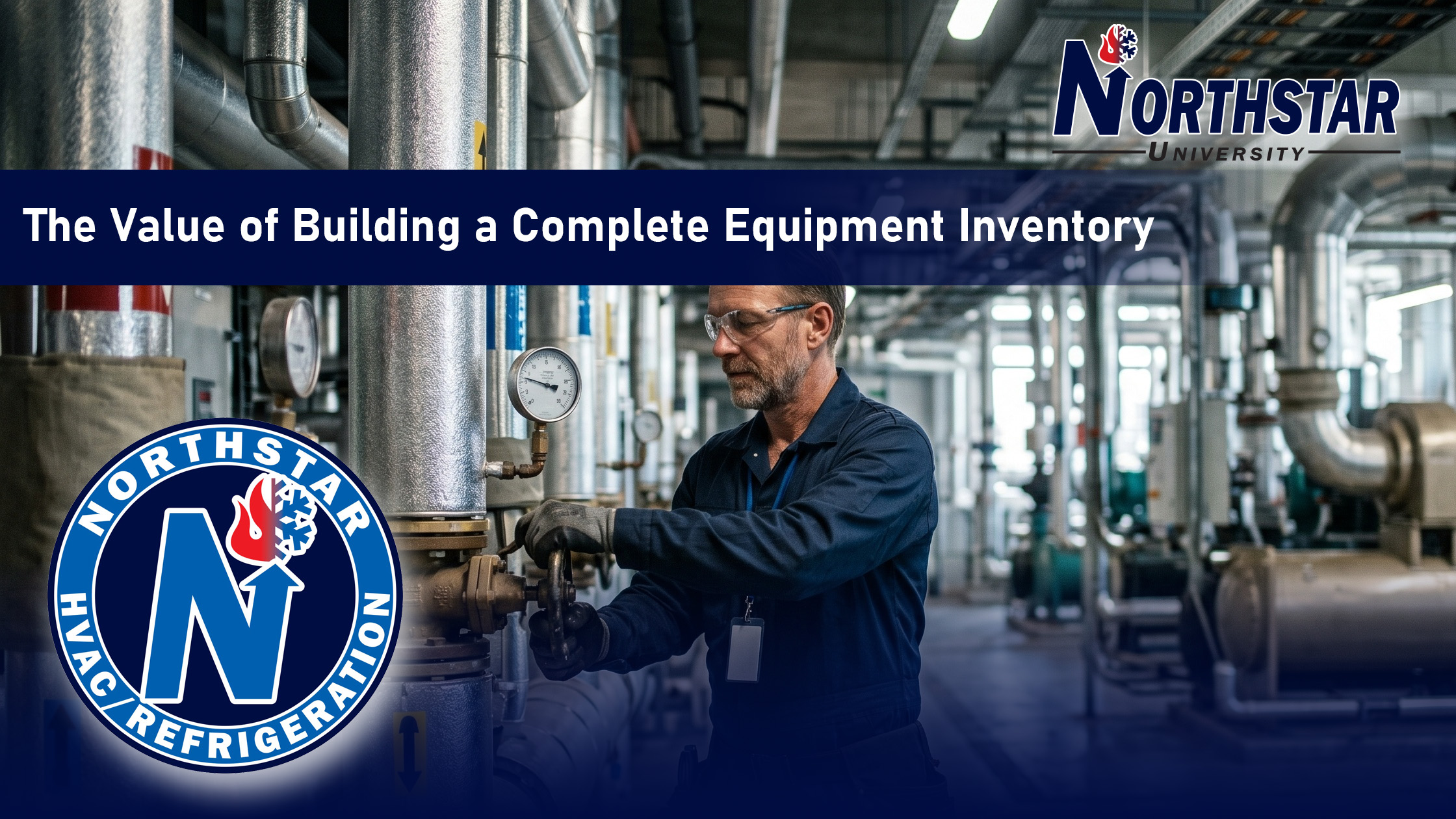
The Value of Building a Complete Equipment Inventory
When a piece of equipment fails unexpectedly, one of the first questions is often:
"What do we know about this unit?"
Unfortunately, the answer isn't always much.
Many facilities have HVAC and refrigeration equipment spread across rooftops, mechanical rooms, production areas, and multiple buildings. Without a centralized inventory, finding information like the equipment's age, service history, or model number can take valuable time.
A complete equipment inventory provides a clear picture of the assets you're responsible for and helps support smarter maintenance, budgeting, and operational decisions.
What Is an Equipment Inventory?
An equipment inventory is more than a list of HVAC and refrigeration units.
It's a centralized record that documents key information about every major piece of equipment in your facility, including:
- Equipment type
- Manufacturer and model number
- Serial number
- Installation date or approximate age
- Location within the facility
- Capacity and specifications
- Maintenance history
- Warranty information
- Expected replacement timeline
Having this information readily available makes it easier to manage equipment throughout its lifecycle.
Improve Maintenance Planning
It's difficult to maintain equipment effectively if you don't know exactly what you have.
A complete inventory helps facilities:
- Schedule preventive maintenance
- Track recurring issues
- Identify equipment nearing the end of its service life
- Ensure no critical assets are overlooked
Instead of reacting to breakdowns, facility teams can take a more proactive approach to maintenance planning.
Support Better Capital Planning
HVAC and refrigeration systems represent a significant capital investment.
An equipment inventory helps answer important questions like:
- Which systems are nearing replacement age?
- Where should next year's capital budget be focused?
- Which assets have the highest repair costs?
- Which equipment is becoming less reliable?
Rather than replacing equipment unexpectedly, facilities can develop a phased replacement strategy that aligns with operational and financial goals.
Respond Faster During Emergencies
When equipment fails, every minute matters.
Having immediate access to equipment information allows technicians to quickly identify:
- Model and serial numbers
- Equipment location
- Previous repairs
- Replacement parts
- Warranty status
This can reduce diagnostic time and help repairs move forward more efficiently.
Identify Trends Over Time
An inventory becomes even more valuable when paired with maintenance records.
Over time, facilities can identify trends such as:
- Equipment with recurring service issues
- Systems with increasing repair costs
- Assets consuming more energy
- Components that require frequent replacement
These insights support more informed decisions about repairs, upgrades, and replacements.
Make Facility Transitions Easier
Personnel changes happen.
Whether there's a new facility manager, maintenance supervisor, or service provider, a complete equipment inventory ensures valuable information isn't lost.
Instead of relying on institutional knowledge, facilities have a documented record that anyone can access.
This improves continuity and helps new team members get up to speed more quickly.
What Should Be Included?
A good equipment inventory doesn't need to be complicated, but it should be consistent.
At a minimum, include:
✔ Equipment ID or asset number
✔ Equipment type and location
✔ Manufacturer, model, and serial number
✔ Installation year or estimated age
✔ Maintenance schedule
✔ Service history
✔ Warranty information
✔ Planned replacement timeframe
Keeping this information updated ensures it remains useful throughout the equipment's lifecycle.
A Small Investment That Pays Off
Building an equipment inventory takes time, but it's an investment that continues to provide value year after year.
It supports better maintenance planning, simplifies budgeting, improves emergency response, and helps facilities make more informed decisions about their HVAC and refrigeration assets.
The more you know about your equipment today, the easier it is to plan for tomorrow.
How Northstar Refrigeration Can Help
At Northstar Refrigeration, we believe good decisions start with good information.
Our team works with commercial and industrial facilities to evaluate equipment, document system information, and develop maintenance and lifecycle strategies that support long-term reliability.
Whether you're building an equipment inventory for the first time or updating an existing asset list, we're here to help you better understand—and better manage—your HVAC and refrigeration systems.
📞 Call (508) 888-3692
📧 Email sales@northstarhvacr.com to learn more about proactive equipment management.
Do you have questions about this topic?
📧 Email sales@northstarhvacr.com to discuss predictive maintenance and monitoring options for your business.